
Dependable Hosting for Churches and Ministries
Your church website should be secure, dependable, and easy to keep online—and getting help should not require speaking a technical language.
Smartway Hosting provides affordable website hosting with personal service for churches, ministries, and faith-based organizations. Whether you already have a website or are preparing to launch one, we will help you choose the appropriate hosting plan without pressure or unnecessary extras.
Hosting plans begin at $5.08 per month when billed annually. If your church is moving an existing website, we can help you understand the steps and make the transition as straightforward as possible.
Does your church also need a new or redesigned website? Budget Church Websites offers affordable church website packages with professional design and personal support.
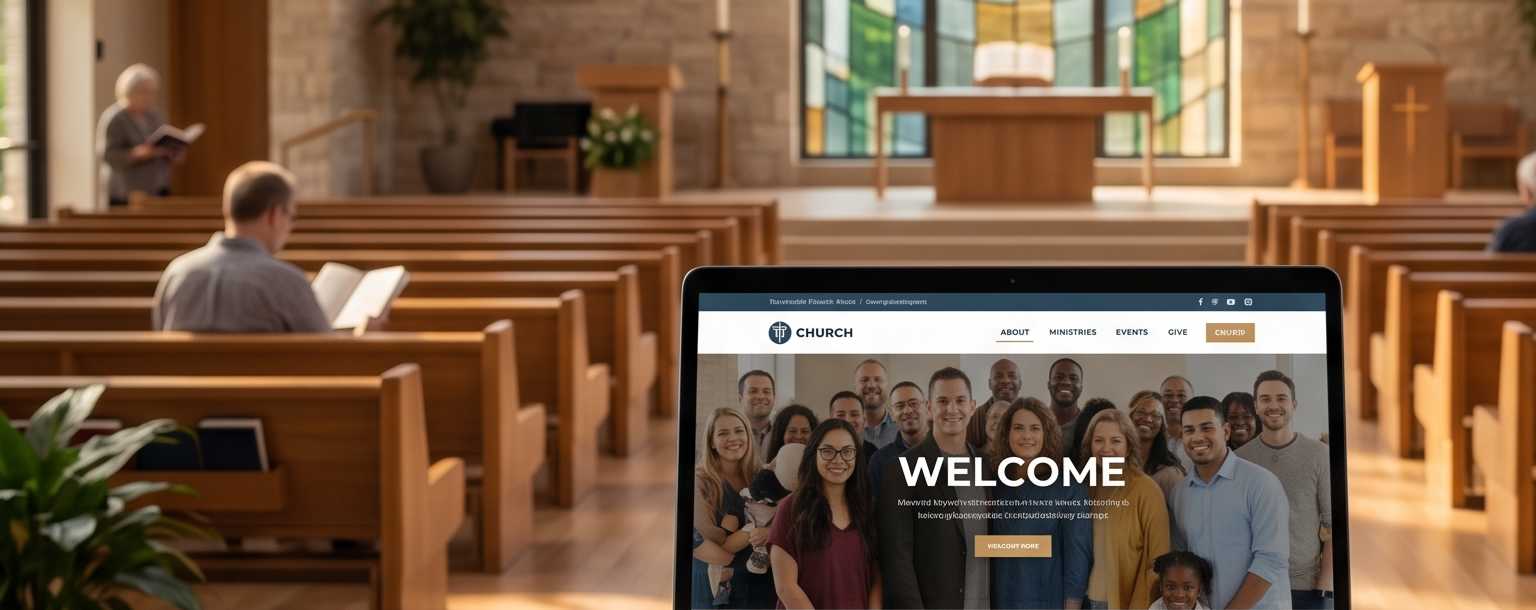
Why Church Website Hosting Matters
Your church website is often the first impression visitors have of your ministry. If your website is slow, unreliable, or difficult to navigate, visitors may leave before learning more about your church.
Good church website hosting helps provide:
- Faster website performance
- Better security and reliability
- Improved visitor experience
- Easier website management
- Consistent uptime for sermons and livestreams
For churches and ministries, reliability matters.
1. Look for Reliable Uptime
One of the most important features of any hosting provider is uptime reliability.
If your website frequently goes offline, visitors may lose trust in your organization and search engines may rank your website lower over time.
Look for hosting providers that offer:
- Reliable uptime history
- Strong server infrastructure
- Ongoing technical support
A church website should be available whenever someone needs information, service times, or spiritual resources.
2. Prioritize Strong Customer Support
Many churches rely on volunteers or small administrative teams to manage their websites.
That’s why responsive support is extremely important.
When evaluating hosting providers, consider:
- Is support easy to contact?
- Are responses timely and helpful?
- Do they understand church and ministry needs?
Choosing a provider with dependable customer service can save significant frustration later.
3. Consider Security and Website Protection
Church websites are increasingly targeted by spam, hacking attempts, and malicious bots.
Good Christian website hosting should include:
- SSL certificates
- Malware protection
- Backup systems
- Security monitoring
Protecting your website helps safeguard both your content and your visitors.
4. Choose Hosting That Can Grow With Your Ministry
Your church website may begin small, but over time your needs may expand.
As ministries grow, websites often add:
- Sermon archives
- Event calendars
- Donation systems
- Livestreaming
- Member resources
Choosing scalable hosting now helps avoid future migration problems.
5. Work With a Hosting Provider That Understands Faith-Based Organizations
Not every hosting company understands the unique needs of churches and ministries.
For many organizations, working with a values-aligned provider offers additional peace of mind.
Christian web hosting providers often better understand:
- Ministry communication needs
- Church website structures
- Long-term support expectations
- Reliability concerns for faith-based organizations
If you are evaluating providers, we also recommend reviewing our related guide:
👉 Best Christian Web Hosting Companies (2026 Guide)
Common Mistakes Churches Make When Choosing Hosting
Many churches choose hosting based only on price. While affordability matters, the lowest-cost option is not always the best long-term solution.
Common mistakes include:
- Choosing hosting with poor support
- Ignoring security features
- Using overloaded budget servers
- Selecting providers without WordPress experience
A church website should be dependable, secure, and easy to maintain.
Final Thoughts
Choosing the right hosting provider can make a significant difference in your church’s online presence.
Reliable hosting improves website performance, visitor experience, and long-term stability for your ministry.
Whether your church is launching a brand-new website or upgrading an existing one, taking time to choose the right hosting provider is an important investment.
If you are comparing options, be sure to review our full Christian hosting comparison guide before making a final decision.